Introduction
Camera lenses are essential tools that can make a significant difference in capturing memorable moments or crafting breathtaking images. A common inquiry among photographers delving deeply into their craft is, ‘Are camera lenses universal?’ Understanding lens compatibility is crucial because it affects how photographers choose their equipment and, ultimately, how they express their visual narratives. This blog aims to demystify the question of universality and offers strategies for navigating lens compatibility.
Understanding Camera Lenses
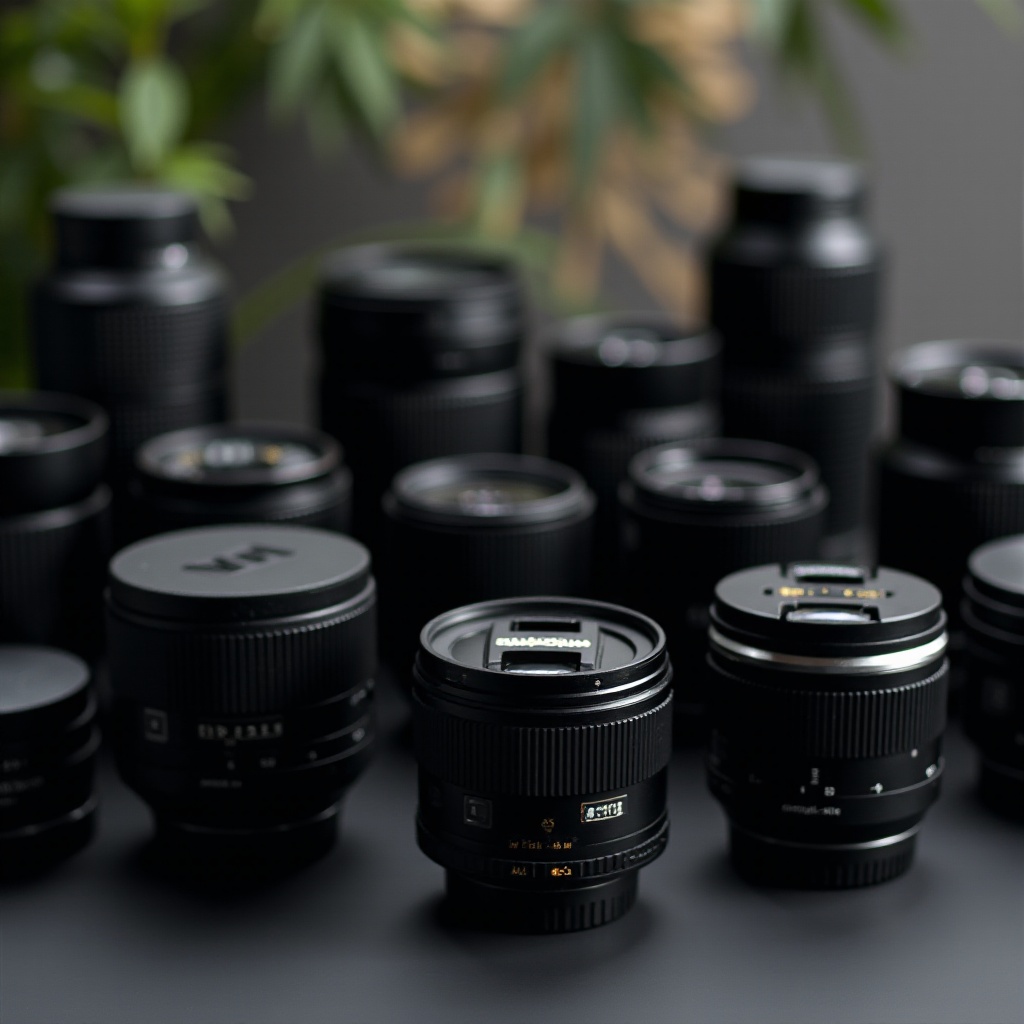
Camera lenses have various types, each tailored to distinct needs, and understanding these differences helps us see why they aren’t universally compatible.
-
Types of Camera Lenses: Generally, lenses fall into two categories: prime and zoom lenses. Prime lenses provide a fixed focal length known for sharpness and quality. Conversely, zoom lenses offer variable focal lengths, offering versatility and adaptability in different settings. Additionally, specialty lenses like macro and telephoto cater to specific photography needs.
-
Role of Lens Mounts and Their Importance: A major factor in determining compatibility is the lens mount, the component that joins the lens to the camera body. It not only supports the physical connection but also facilitates the electrical interface for advanced technologies like autofocus and aperture control. Since different manufacturers have developed their proprietary mounts, lenses typically are not interchangeable across brands, highlighting why these technical details are crucial in understanding lens compatibility.
Compatibility Factors
Photographers often explore various camera systems to enhance their craft, each featuring its own proprietary lens mounts. This scenario presents both challenges and solutions when considering lens compatibility.
-
Proprietary Lens Mounts Across Major Brands: Leading brands such as Canon, Nikon, and Sony employ distinctive mounts, like Canon’s EF and RF, Nikon’s F and Z, or Sony’s E and A mounts. These dictate which lenses function with which camera bodies, limiting immediate interchangeability among brand ecosystems. While proprietary mounts foster brand-specific ecosystems, they also challenge photographers who seek greater flexibility across multiple systems.
-
Exploring Cross-Compatibility Options: To navigate these constraints, many photographers use adapters or invest in third-party lenses that accommodate various brands. These alternatives provide innovative solutions for achieving cross-brand compatibility and help photographers extend the utility of their equipment.
The Myth of Universal Lenses
With a clearer understanding of lens mounts, we can address the misconception of universal lenses, often seen as a holy grail in photography.
-
Why Universal Lenses Are Not Feasible: The allure of a universal lens is captivating yet practically unattainable. Each brand’s mounts have distinct mechanical and electronic specifications critical for camera functions, making a true universal lens incredibly complex. Addressing brand-specific technologies in one lens is a substantial challenge, both technically and economically.
-
Brand-Specific Challenges and Considerations: Every brand incorporates unique technology, influencing how a lens performs. Features like autofocus speed and image stabilization can vary significantly, impacting the decision to use a particular lens on a different system. Understanding these brand-specific characteristics proves essential when selecting a lens to ensure compatibility and performance alignment with creative needs.
Solutions for Lens Compatibility
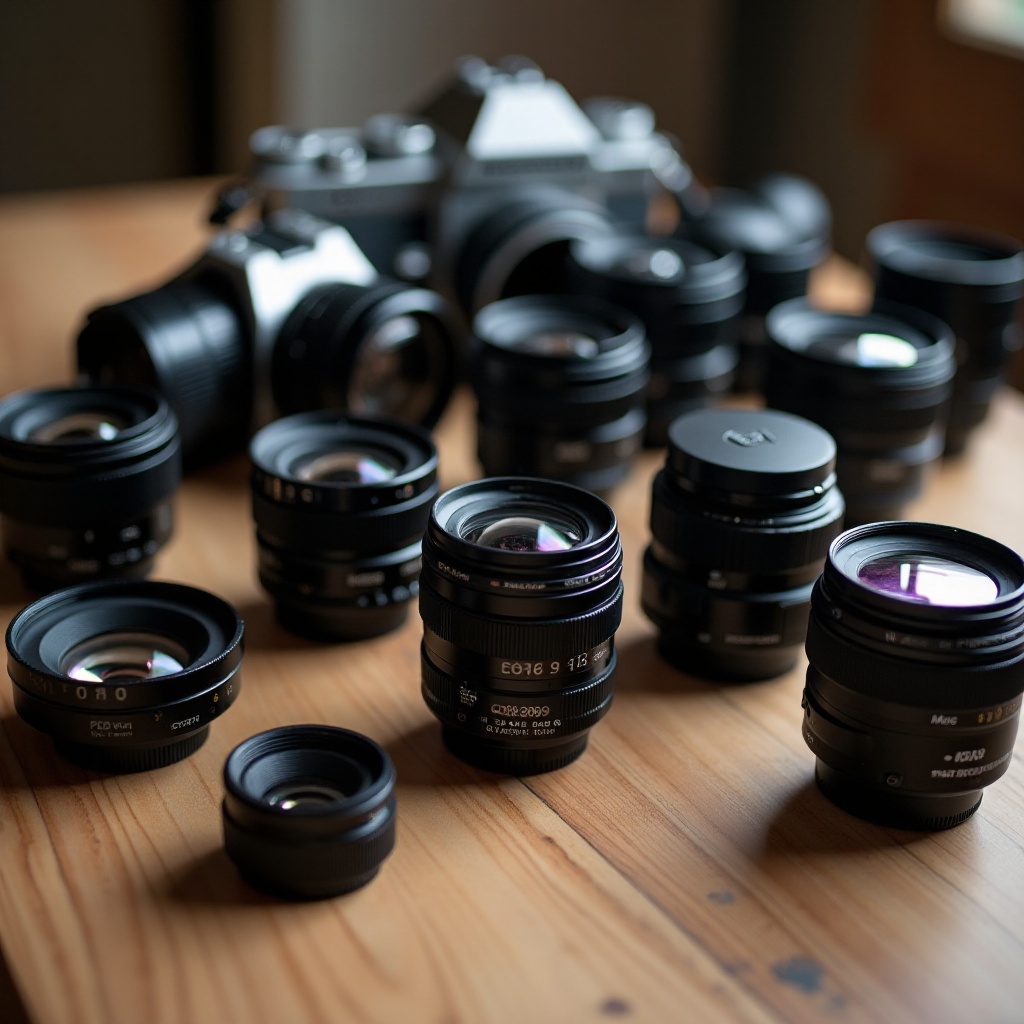
While universal lenses are not a reality, photographers can embrace practical solutions to broaden their creative options and overcome compatibility challenges.
-
Using Lens Adapters Effectively: Lens adapters offer a feasible pathway for expanding lens compatibility across different systems. These adapters allow the connection of lenses from one brand to another camera body, though they might impact autofocus speeds and aperture control. Selecting high-quality, brand-compatible adapters can ensure minimal performance loss and preserve key lens functionalities.
-
Third-Party and Versatile Lens Options: Companies like Sigma, Tamron, and Tokina develop third-party lenses offering versatile compatibility. These lenses provide cost-efficient alternatives and ensure adaptability across numerous mounts. When selecting third-party lenses, considerations like build quality, optical capabilities, and warranty assurances are crucial. Deliberate choices in third-party lenses can meet varied photographic demands and expand potential creative outputs beyond brand-imposed boundaries.
Conclusion
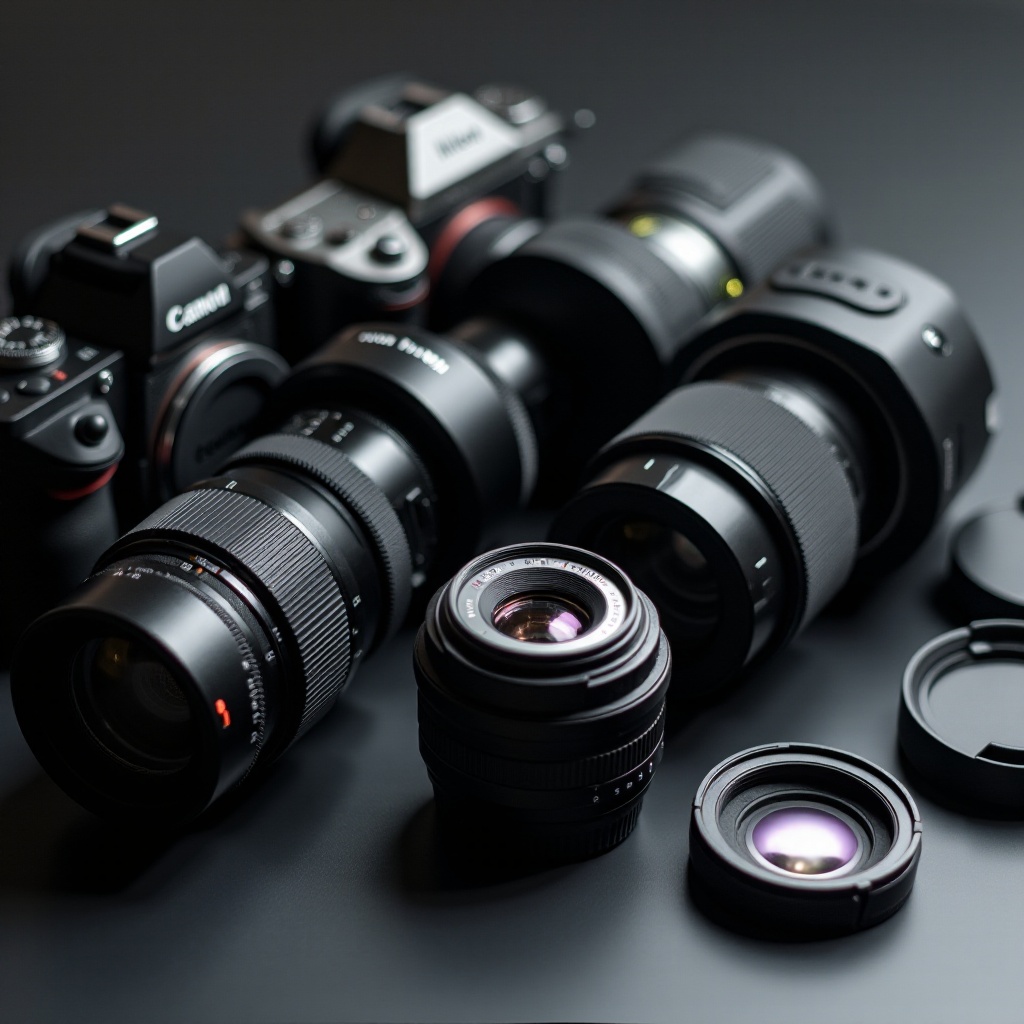
Camera lenses aren’t universal, which can be an obstacle for photographers eager to diversify their equipment. Yet, understanding lens mounts, and utilizing solutions like adapters and third-party options, can significantly broaden your creative toolbox. Make informed choices to ensure your equipment aligns with your artistic vision and requirements.
Frequently Asked Questions
Can I use an adapter to make any lens fit my camera?
Yes, adapters can allow lenses from different brands to fit, but they may affect functions like autofocus. Quality adapters help retain functionality.
Are there brands that offer more compatibility with different lenses?
Some brands, like Sony, offer more versatile lens use, particularly in mirrorless systems. However, no brand is universally compatible due to proprietary technologies.
How do third-party lenses compare in terms of quality and compatibility?
Third-party lenses often match or exceed native lenses in quality and offer broad compatibility. It’s vital to research and select lenses that align with desired performance standards.